Table of Content
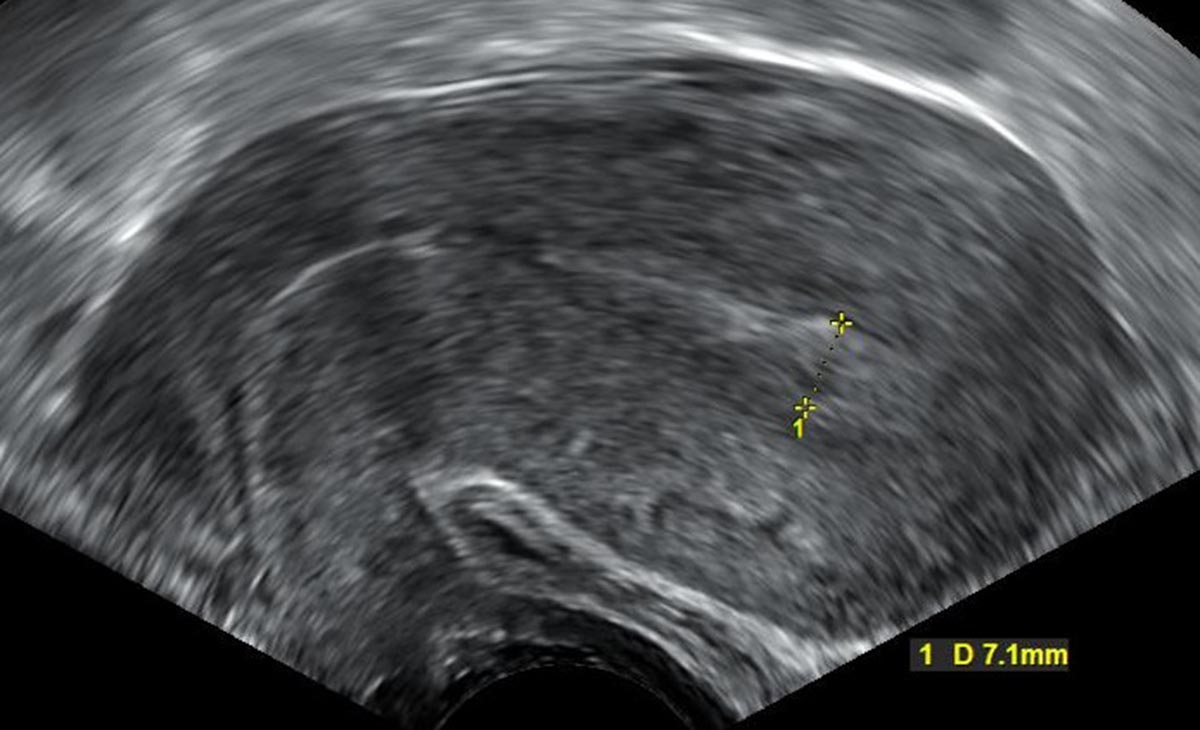
During a transvaginal ultrasound, you lie on an exam table while a health care provider or a medical technician puts a wandlike device, known as a transducer, into the vagina. Sound waves from the transducer create images of the uterus, ovaries and fallopian tubes. Sometimes the process of placing the catheter in the uterus causes a small amount of vaginal bleeding. This doesn't usually have an effect on the chance of pregnancy. Rarely, an allergy to proteins in semen can cause infertility. Ejaculation into the vagina causes redness, burning and swelling where the semen contacts the skin.
If you think you may have a false positive pregnancy test result, you should talk to your doctor. He or she can test you to see if you are actually pregnant. The chance of a false positive pregnancy test result is about 1 in 5,000. This means that if you take a pregnancy test and it says you are pregnant, there is a 1 in 5,000 chance that you are not actually pregnant.
When To Test For Pregnancy After Iui
They may even be able to give you a blood test which can detect your hormones spiking which will save you the hassle of taking your temperature each day. The only way to find out is to keep taking your temperature each day and make a note of the time. Once you notice that it has spiked, then you can take a pregnancy test straight away because your hormones should be spiking at this point in time and a positive result is almost confirmed. This is a space where I will be sharing my experiences as I navigate through the world of fertility treatments, as well as provide information and resources about fertility and pregnancy.
A delay in periods is a big hint toward the possibility of conception. While spotting or light bleeding may be noticed in between, it is very likely that there is nothing to be worried about. If you notice any unusual bleeding that’s worrying you, you can always consult a doctor.
Getting Pregnant Over 40
The medications are given via a daily injection or a nasal spray. The doses are customized to the patient’s specific needs and medical history. The doctor will monitor your body’s response to the hormones and perform ultrasounds if necessary. All this adds up to the need to wait 14 days after your IUI before taking a home pregnancy test. Your clinic may go ahead and schedule you for a blood hCG test 14 days post-IUI as well. To understand why you can take a pregnancy test about 14 days after IUI, it’s important to understand how IUIs — and the treatments that typically accompany them — fit into the whole conception timeline.
You begin producing the pregnancy hormone hCG after implantation — and not before. Educational text answers on HealthTap are not intended for individual diagnosis, treatment or prescription. For potential or actual medical emergencies, immediately call 911 or your local emergency service. Created for people with ongoing healthcare needs but benefits everyone. There's a slight risk of developing an infection as a result of the procedure. Sperm that have been washed and concentrated are placed directly in your uterus around the time your ovary releases one or more eggs to be fertilized.
Pregnancy Brain Moments? Let's Have a Laugh!
The Clear Blue Early Detection pregnancy test is a urine based hCG test. It can detect pregnancy as early as six days before the missed period. If you did not do a trigger shot, you may be able to test as early as 10 days after your IUI. It would be very early to get a positive test, so don’t be discouraged. Unless you’ve been through a two-week wait yourself, it’s hard to explain the journey that infertility takes you on.
Generally, you can take a pregnancy test three weeks after an IUI. This is because sperm can survive in the woman’s body for up to three days, and the egg can be fertilized for up to 24 hours after ovulation. By waiting three weeks after the IUI, you are giving yourself the best chance of getting an accurate result. Pregnancy symptoms typically begin about 11 days after conception, but not everyone experiences them at that time. Some women may not have any symptoms at all or may have different symptoms at different stages of the pregnancy.
Prior to an IUI procedure, a woman may take fertility medications to increase the number of eggs she produces or to induce ovulation. While a woman does not have to use fertility drugs to try IUI, these medications can greatly increase the chances that an IUI procedure will be successful. Usually, you can start monitoring your pregnancy after the first three days of the IUI procedure. If you start spotting or cramping, you should go to the doctor immediately. In some cases, you may not be pregnant for up to two weeks after the procedure. Many clinics will schedule you for a pregnancy blood test at the 14-day mark.
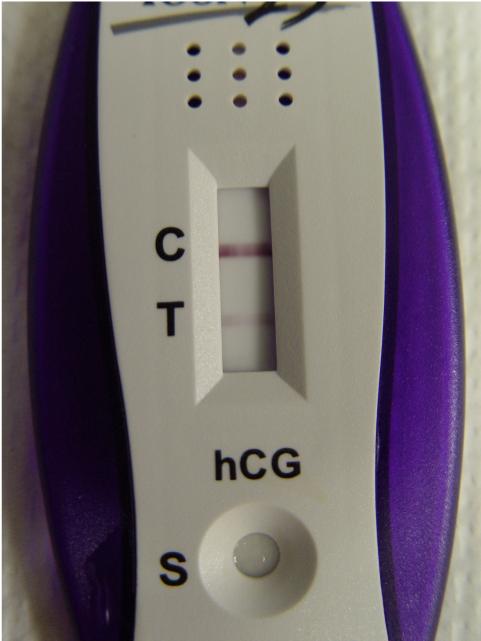
HCG is human chorionic gonadotropin, a hormone produced by the placenta during pregnancy. A low level of HCG may mean that the pregnancy is not progressing as it should. A low hcg pregnancy test result may also indicate a miscarriage. If you have a low hcg pregnancy test result, you should see your doctor for further evaluation. Urine tests are best done with the first morning urine as it is most concentrated with HCG. Early pregnancy tests, like the First Response Early Response, are more likely to give you an accurate result.
Drink lots of water, avoid alcohol, remain active and rest well. If you start to feel cramps or spotting, you should contact a doctor to schedule a test. But these symptoms don’t always occur, even in women who are pregnant. The only sure signs are a missed period with a positive pregnancy test from your doctor’s office. Ultimately, the best time to take a pregnancy test after an IUI depends on a number of factors, including how closely you are following your doctor’s instructions and when you ovulate. If you are experiencing any symptoms of pregnancy, or if you have missed your period, you may want to take a pregnancy test sooner.
In reality, for many people, relaxing after an IUI is so much easier said than done. But they’re also presuming that their advice can be followed — which is sometimes wrong.
Symptoms of pregnancy will vary from woman to woman, and women may have completely different health conditions from day to day. Some women may even have no symptoms or feel like they’re just PMSing. Some common signs include breast tenderness, fatigue, and nausea. Other signs of pregnancy include breast tenderness, heavy breasts, and aversion to certain foods. While breast symptoms are common during menstrual periods, if these symptoms last more than two weeks, it’s best to schedule a pregnancy test.

It’s also important to remember that light spotting or cramping does not indicate pregnancy. A few days after the procedure, light spotting may occur, but this is not necessarily implantation bleeding. If you’ve been spotting for a few days, report it to your doctor.


No comments:
Post a Comment